
You found the product, negotiated the price, and approved the samples. Now comes the part that surprises most first-time importers: shipping. Here is everything you need to know to choose the right method — and avoid paying twice as much as necessary.
Incoterms in 60 Seconds
Incoterms decide who pays and who is responsible at each stage. EXW: you collect from the factory. FOB: the supplier delivers to the port and you handle the rest. CIF: the supplier arranges sea freight and insurance to your destination port. DDP: the supplier (or their forwarder) delivers to your door with duties paid — one price, one responsibility.
Sea Freight: Cheapest, Slowest
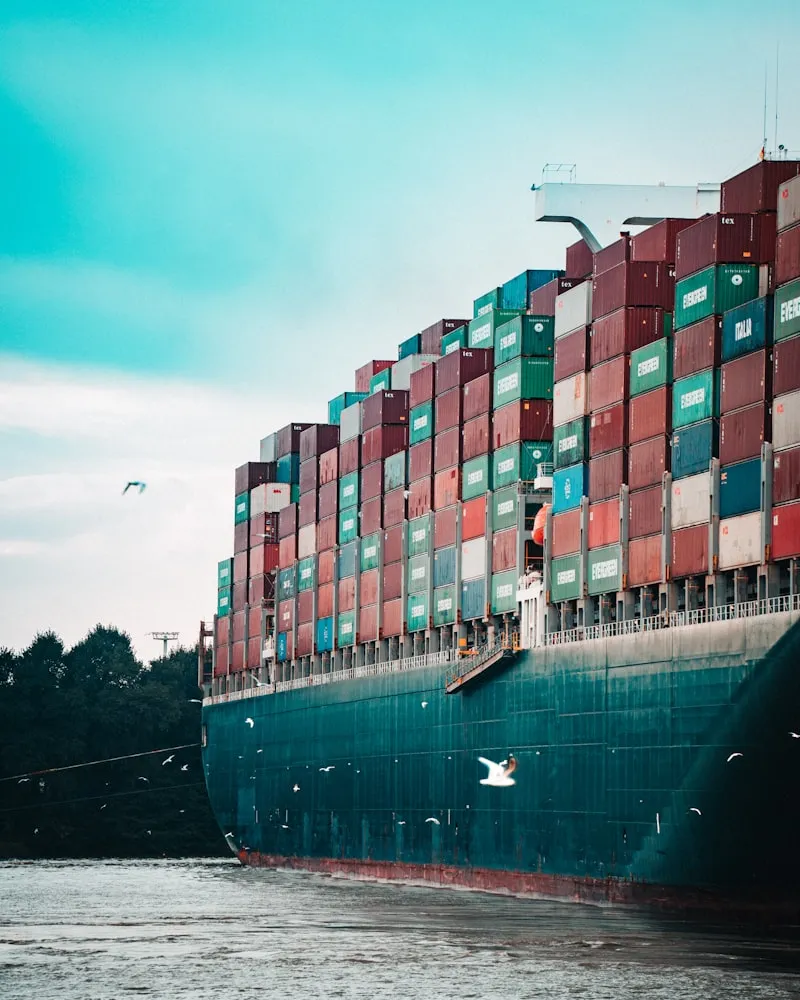
For bulk orders, sea freight is almost always the right choice. LCL (less than container load) suits smaller shipments — you pay only for the space you use. FCL (full container load) suits larger orders. Transit from China to the US West Coast is typically 15–25 days; to the East Coast add 10–15 days plus transit through the Panama Canal. Costs fluctuate with demand: LCL rates can range from roughly $20–80 per cubic meter, and a 40-foot container from about $1,500–4,000+, depending on route and season.
Air Freight: Middle Ground
For high-value or time-sensitive goods, air freight takes 5–10 days door to door and you pay per kilogram — typically $4–10/kg for consolidated freight. It works best when the product is small, light, and expensive.
Express Couriers: Fastest
DHL, FedEx, and UPS deliver small parcels in 3–7 days door to door, usually at $6–15/kg. Perfect for samples, low-volume launches, and urgent restocks. For large shipments, express becomes painfully expensive.
Rail and Truck Options
China–Europe rail takes 18–25 days and sits between sea and air in cost — a good option for EU buyers. In the US, trucking from West Coast ports to inland destinations adds 2–5 days after customs clearance.
US Import Specifics
Remember three things: (1) the ISF (Importer Security Filing) must be filed before the vessel departs; (2) customs duties depend on your product’s HS code — commonly 0–25%, with additional tariffs possible on China-origin goods, so check the current rates; (3) the $800 de minimis exemption has been in flux for China-origin parcels — confirm the latest rules with your forwarder before shipping small orders by courier.
How to Choose
A simple rule: under about 100 kg, consider express; 100–500 kg, compare air versus sea LCL; above that, sea LCL or FCL almost always wins. If you want zero surprises, get a DDP quote — one all-in price delivered to your door, including freight, duties, and customs clearance.
validsourcing offers DDP freight to the US, EU, and beyond. Request a shipping quote and we’ll show you the all-in landed cost before you commit.