
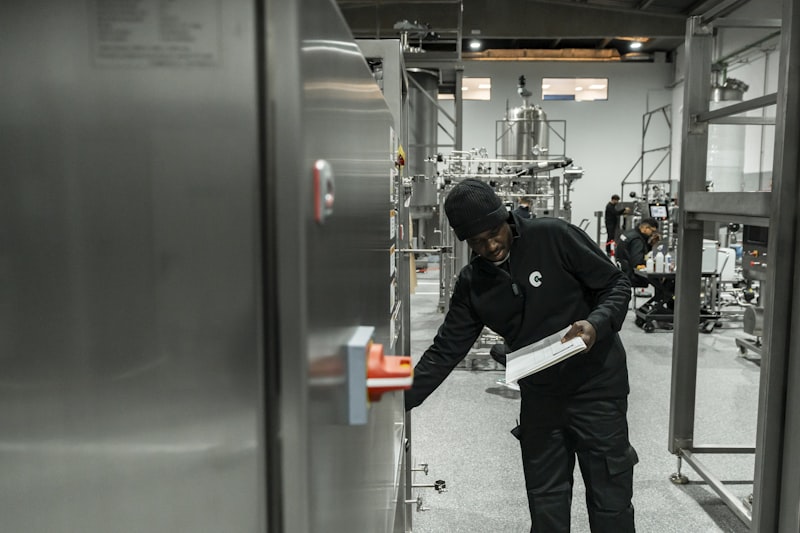
One bad batch can destroy months of work — and, worse, your customers’ trust. Quality control is not an extra cost; it is the cheapest insurance you can buy when importing. Here is how professionals protect their products.
Why Quality Control Matters
A single defect multiplies fast: one bad unit becomes a bad review, a return, and a damaged brand. Inspections catch problems before they ever reach your warehouse, where fixing them costs 10–100 times more.
The Four Inspection Checkpoints
- Pre-production: materials and components are checked before production starts — this catches the wrong fabric, wrong plastic, or unauthorized substitutions.
- During production (inline): a mid-run check while 20–30% of the order is finished, so problems can still be fixed without losing the whole batch.
- Pre-shipment (final random): the most important check — inspectors randomly sample finished goods against your spec sheet, usually using AQL standards.
- Container loading: confirms the right cartons, quantities, labels, and loading — stopping short shipments and mix-ups.
AQL in Plain Language
AQL (Acceptable Quality Limit) is a statistical sampling system. An “AQL 2.5” for major defects means the shipment passes if major defects stay below 2.5% of the sampled pieces. It makes inspection objective instead of emotional. Common levels: 1.0 for critical defects, 2.5 for major, 4.0 for minor.
Product Testing and Certificates
Depending on your market and product, you may need certifications: CE (EU), FCC (electronics in the US), FDA (food contact and cosmetics in the US), LFGB (food contact in Germany/EU), EN71 (toys in the EU), and RoHS (chemicals in electronics). The factory should provide test reports from accredited laboratories — verify the report itself, don’t just look at the logo.
What to Do When an Inspection Fails
Define the procedure in your contract before it happens: the supplier fixes the defects and you re-inspect, you negotiate a discount, or you reject the shipment. When the failure is clearly the supplier’s fault, the re-inspection cost should be theirs to bear.
Tips for Smaller Buyers
You don’t need a $500 inspection on every $1,000 order. Start with a pre-shipment inspection on every order, add inline checks as volumes grow, and always order samples first. A detailed spec sheet — including photos of the approved sample — is your strongest quality control tool.
Every validsourcing order includes quality checks as standard. Contact us to see how we protect your brand.